
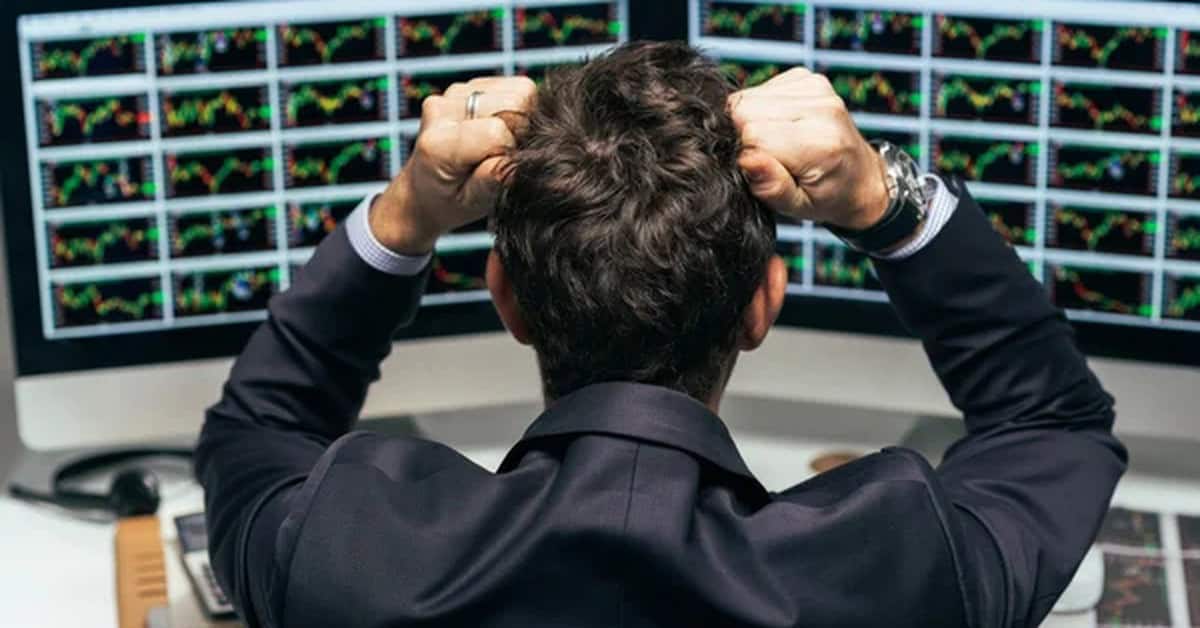
Most traders don’t fail because they don’t understand charts. They fail because they can’t manage themselves.
If you want to avoid emotional trading, you must understand a difficult truth: markets test psychology before they reward skill.
You can understand technical analysis.
You can identify structured setups.
But if emotions override your plan, performance becomes unpredictable.
This guide explains how to avoid emotional trading using practical risk management, structured routines, and proven trading psychology principles.
What Is Emotional Trading?
Emotional trading happens when decisions are driven by feelings rather than a defined trading plan.
Instead of following predefined rules, traders react to:
- Fear
- Greed
- Frustration
- Overconfidence
- Revenge impulses
- Fear of Missing Out (FOMO)
This often results in:
- entering trades without confirmation
- closing profitable trades too early
- increasing lot size impulsively
- moving stop-loss levels
- overtrading after losses
Research in behavioural finance from the CFA Institute shows that cognitive bias heavily influences financial decision-making. Recognising these patterns is the first step toward controlling them.
Why Emotional Trading Happens
1. Financial Risk Triggers Emotional Response
When money is at risk, the brain shifts into protection mode. Losses feel threatening. Wins feel validating.
Psychological studies from the American Psychological Association confirm that risk activates stress responses similar to survival instincts.
2. Lack of a Structured Trading Plan
Without clear entry, exit, and risk rules, emotion fills the gap.
A structured routine dramatically reduces impulsive behaviour. You can start building one by following these daily trading discipline habits.
When rules are written, interpretation decreases.
3. Oversized Positions
Risking too much per trade amplifies emotional intensity.
Proper position sizing stabilises psychology. A practical explanation can be found in this guide on calculated trading risk.
4. Short-Term Overexposure
Constantly watching lower timeframes increases emotional noise and encourages impulsive decisions. Align screen time with your trading timeframe.
The 6 Most Common Emotional Trading Mistakes
1. Fear of Missing Out (FOMO)
Entering trades impulsively due to rapid price movement – urgency replaces structure.
2. Revenge Trading
Opening a new trade immediately after a loss to recover quickly. This increases risk exposure and compounds emotional pressure.
3. Cutting Winners Too Early
Exiting profitable trades prematurely due to fear of losing unrealised gains, damaging long-term expectancy.
4. Moving Stop Losses
Changing stop levels mid-trade invalidates your original risk calculation. Defined risk becomes undefined risk. You can better understand drawdowns in this trading psychology article.
5. Overconfidence After Winning Streaks
Winning trades can create complacency and excessive position sizing.
6. Paralysis After Losses
Fear prevents valid trade execution. Both aggression and hesitation are emotion-driven extremes.
How to Control Emotions in Trading (Practical Framework)
1. Trade With a Written Plan
Your plan must define:
- entry criteria
- stop-loss placement
- take-profit targets
- risk per trade (commonly 1 to 2%)
- maximum daily loss
If it’s not written, it’s optional.
2. Standardise Risk Management
Risk management is foundational.
The Financial Sector Conduct Authority (FSCA) emphasises that trading involves significant risk and participants must understand capital exposure before entering markets.
3. Accept the Loss Before Entering
Before placing a trade ask:
“Am I comfortable losing this predefined amount?”
If not, reduce the position size.
4. Use a Trading Journal
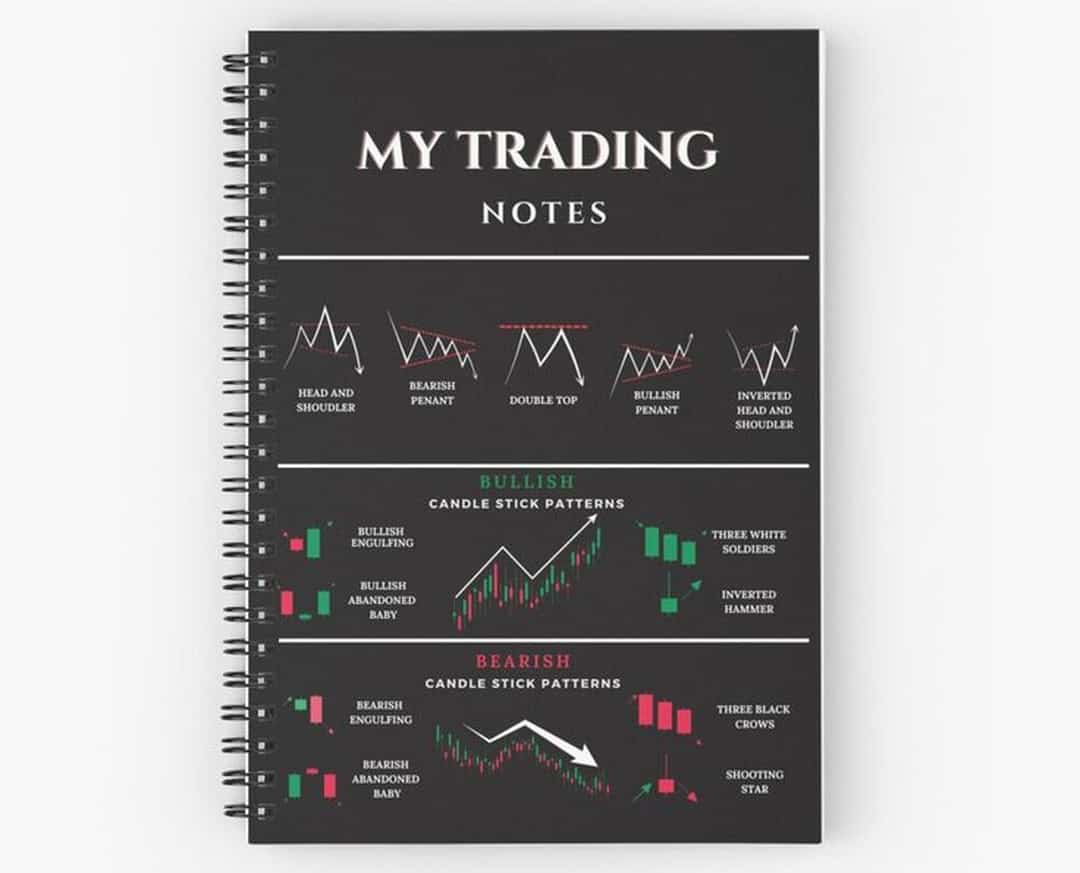
Track:
- setup conditions
- risk parameters
- emotional state
- rule adherence
- outcome
Structured review builds self-awareness. See why journaling improves trading performance.
5. Implement a Daily Loss Limit
Example:
Stop trading after 2 to 3 losses or after reaching a predefined daily loss amount. This prevents revenge trading.
6. Reduce Screen Time
Only monitor timeframes relevant to your strategy. More charts do not mean more control — they mean more emotional input.
Realistic Expectations About Trading
Understand:
- No strategy guarantees profits
- Losses are unavoidable
- Market conditions change
The Bank for International Settlements regularly publishes research showing how market volatility and systemic risk are normal features of financial markets.
The goal is not perfection.
The goal is structured execution across many trades.
Master the Process, Not the Outcome
You cannot control:
- market direction
- news events
- volatility
You can control:
- risk
- structure
- emotional response
- rule adherence
Avoiding emotional trading is not about eliminating emotion.
It is about managing it through discipline and structured decision-making.
If you want to develop this inside a guided environment instead of doing it alone, you can explore the Smart Online Trader mentoring pathway where traders follow structured routines and accountability rather than trial-and-error learning.
Frequently Asked Questions
What is emotional trading?
Making trading decisions based on feelings instead of predefined strategy rules.
How can beginners control emotions?
Written plans, fixed risk percentages, journaling, and daily loss limits.
Why is risk management important?
It stabilises capital exposure and reduces psychological pressure.
Can emotional trading be eliminated?
No, but structured systems significantly reduce its impact.
Compliance Note
This material is educational and not financial or investment advice. Trading involves risk. Simulated or evaluation environments use virtual funds. Past performance does not guarantee future results.
